
What yoga claims.
What the research shows.
Articles, courses and a free breath-tracking tool that hold yoga's claims up to the research, and grade every one: established, suggestive or speculative. By Aditi, doctoral fellow in the science of yoga at Delhi Technological University and Neuromatch Impact Scholar.
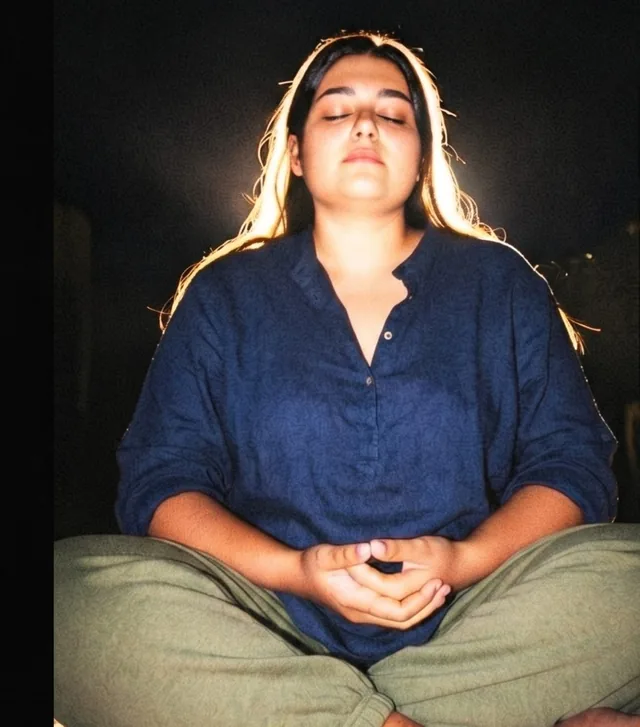



I've learned to be more curious than fearful of the more dense or hurt areas of my psyche.
Every breath leaves a trace. We follow it.
Breathabout 6 slow breaths a minute
Heartbeats speed up as you breathe in, slow as you breathe out
Heart rate rising and falling with the breath is called respiratory sinus arrhythmia. How sure: established
Three ways in
Read what the evidence says, practise with a free tool, or go deeper with a course or book.
The research, graded
Articles that take a claim you've heard and check it against the studies, plus Aṇūṭṭara, our free magazine.
Read the articles →
The Swar Yoga tool
A one-minute morning check, guided breathing practices and a two-week record that stays on your phone.
Open the tool →
Courses and books
Live and self-paced classes, and The Respiratory Codex, all 313 verses graded against physiology.
See courses and books →Latest articles
Claims you've probably heard, checked against the research, and the old texts read closely.
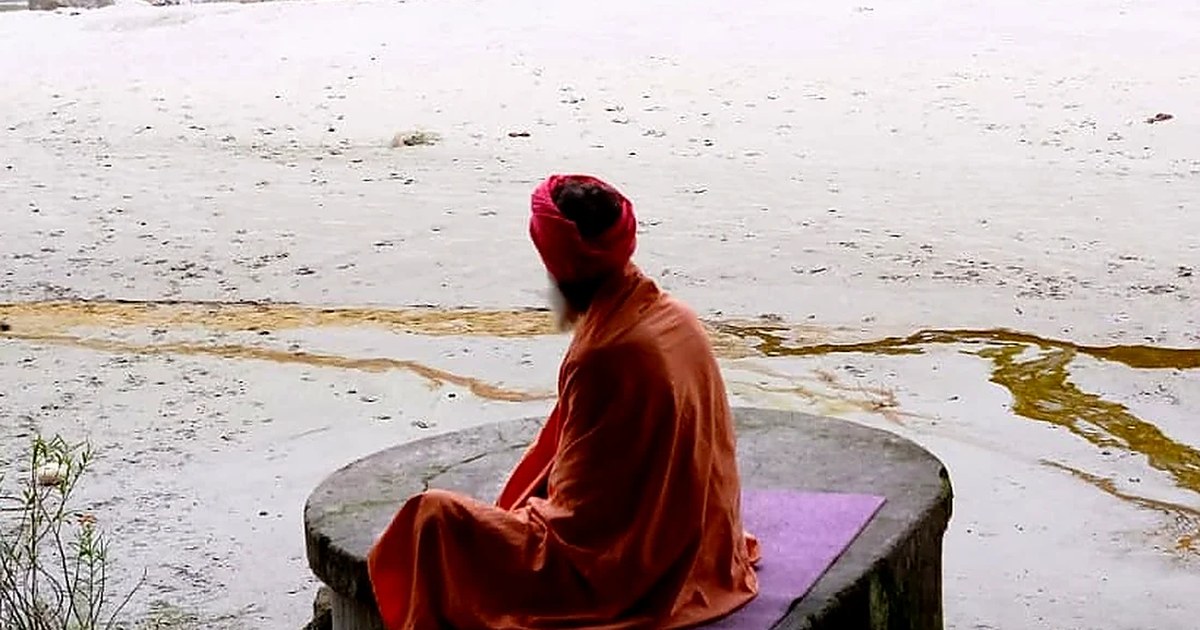
Can You Choose Which Nostril Is Open?
The Shiva Svarodaya does not only claim you can read which nostril is flowing. It claims you can change it. That is the part of the system I had never properly checked, and it is the part that mostly survives.

Does Slower Breathing Make Meditation Deeper?
The advice bundles two claims together. One of them is among the best-evidenced things in the field. The other has barely been tested, because nobody agrees how to measure it.
What Meditation Researchers Say When They Are Talking to Each Other
I spent two days listening to meditation researchers present to other researchers rather than to the public. The register is completely different, and the difference is itself the finding.
How every claim is checked
Each claim gets one of three grades, so you always know how much weight it can bear.
Sources you can click
Every study cited links to its PubMed record, and each one is checked against the source before an article is published.
Tradition and evidence, kept apart
What the texts claim and what researchers have measured are described separately, so you can see where they meet and where they don't.
No miracle claims
Practices are shared as education, not treatment. Where the evidence is weak or missing, the article says so plainly.

Hi, I'm Aditi
Doctoral fellow in neuroscience and meditation, Delhi Technological University
I'm a doctoral fellow dedicated to the art and science of yoga. Neuroscience of Meditation is where tradition and research meet: the practices taken seriously, and an honest account of what the evidence does and doesn't show.
I'm building a community where teachers and students learn together, and a place for genuine inquiry into yoga research.
- Neuromatch Impact Scholar
- 8 years working in yoga science and meditation
Go deeper
Classes and reading on the science of yoga, meditation and the breath, for practitioners and teachers who want to understand what they practise.
See courses and booksSwar Yoga, properly
Read your swara, change it on purpose, and learn which of Shiva Swarodaya's claims survive testing — taught from The Respiratory Codex.
The Respiratory Codex
All 313 verses of the Śiva Svarodaya, each translated and graded against current physiology: what the text got right, what it got wrong, and what is still worth doing.